
.svg)
Close



Future-Ready Learning at Harper
Harper prepares students not only to master academic knowledge, but to apply it, extend it, and use it in a world shaped by complexity, technology, and real decision-making.
A strong academic education should do more than help students understand content. It should also help them use knowledge meaningfully, solve real problems, and develop the capacities required in a future that will be increasingly interdisciplinary, project-based, and AI-inflected.
For this reason, Harper has expanded its academic design through two major learning directions: Project-Based Learning and Learning and Growing with AI. Together, they help students move beyond passive study into more active, applied, and future-relevant forms of learning.
Project-Based Learning at Harper is not an isolated enrichment feature. It is a structured part of how students learn to connect knowledge to the real world.
Our PBL model is built in three layers:
This layered model helps students move through a fuller developmental cycle: from understanding ideas, to applying them, to producing meaningful outcomes of their own.

Three Layers of PBL
Within the classroom, students encounter tasks, cases, and projects that push them to understand how knowledge functions beyond abstract theory.
In science, students may explore chemistry, physics, and biology through applied investigations and real-world analytical tasks.
Beyond individual subjects, Harper also offers signature project structures that invite students into more ambitious work over time — including investment simulations, entrepreneurial ventures, research projects, and social impact initiatives. These are not designed as decorative add-ons, but as serious environments in which students learn through action, judgement, and responsibility.
Four Signature Project Directions
Harper’s long-term PBL work includes four major project directions:
Investment — helping students build rational judgement, risk awareness, and long-term decision-making through market analysis and structured financial thinking.
Entrepreneurship — allowing students to explore product thinking, market validation, branding, and execution through practical business-building experience.
Research — helping students design questions, interpret data, organise inquiry, and communicate more rigorous academic work.
Public Impact — encouraging students to understand social issues, coordinate resources, and translate responsibility into meaningful action.
These projects matter because they teach students that knowledge is not static. It is something that becomes stronger when used.
Harper also recognises that future readiness now includes more than digital literacy. Students need to understand AI as both a technology and a learning environment.
This means they should know:

AI Literacy and AI Fluency
At Harper, AI learning is developed in two connected ways:
AI Literacy focuses on understanding. Students explore what AI is, how it learns from data, how bias enters systems, how AI makes errors, and why human judgement still matters.
AI Fluency focuses on use. Students learn how to ask better questions, evaluate AI responses, identify weak or unreliable output, and incorporate AI into workflows for learning, research, writing, reflection, and communication.
This dual structure helps students become more informed and more capable users of AI, rather than passive recipients of whatever a tool happens to generate.
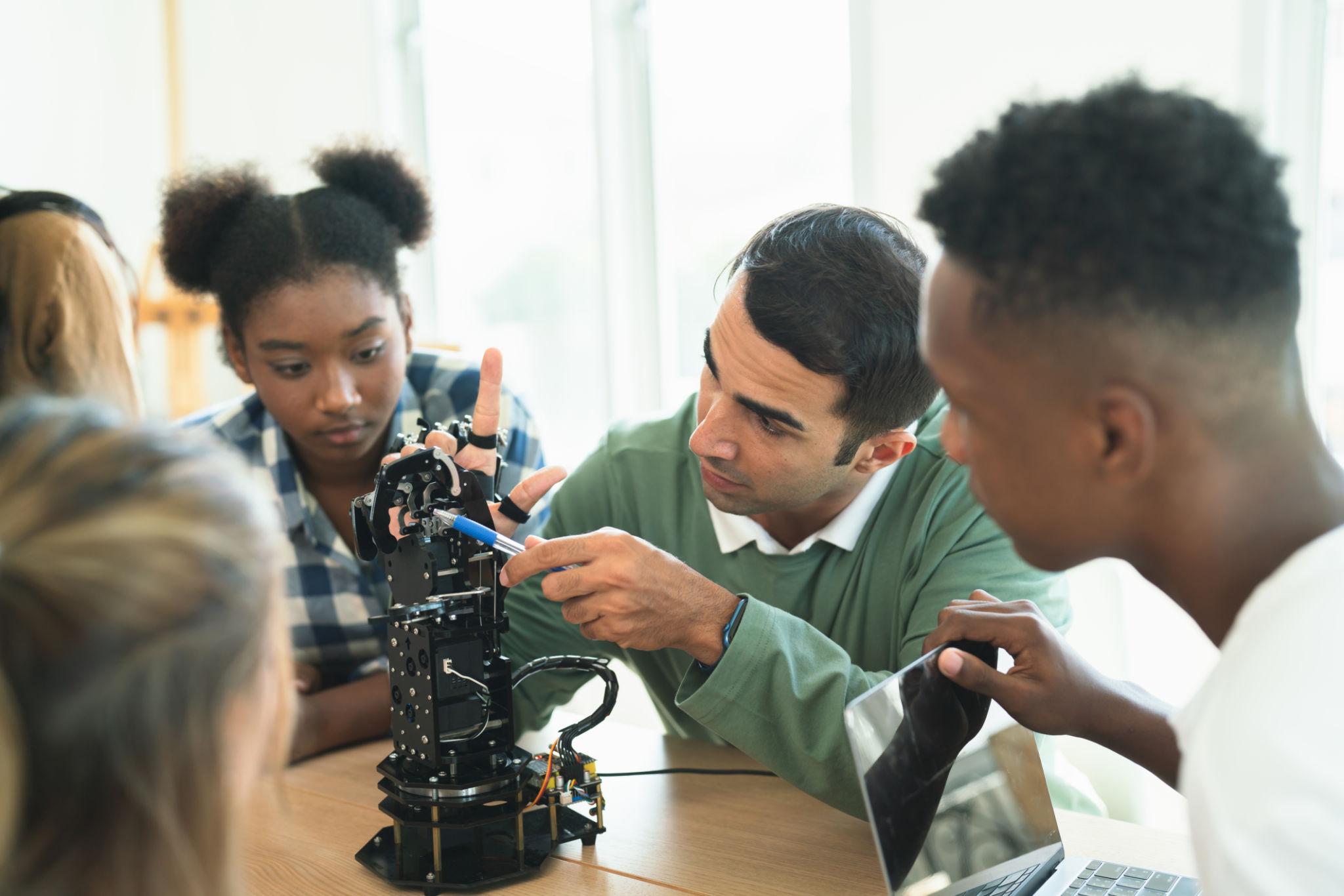
AI in Real Learning Contexts
Students are encouraged to use AI in practical and bounded ways across real learning situations.
This may include:
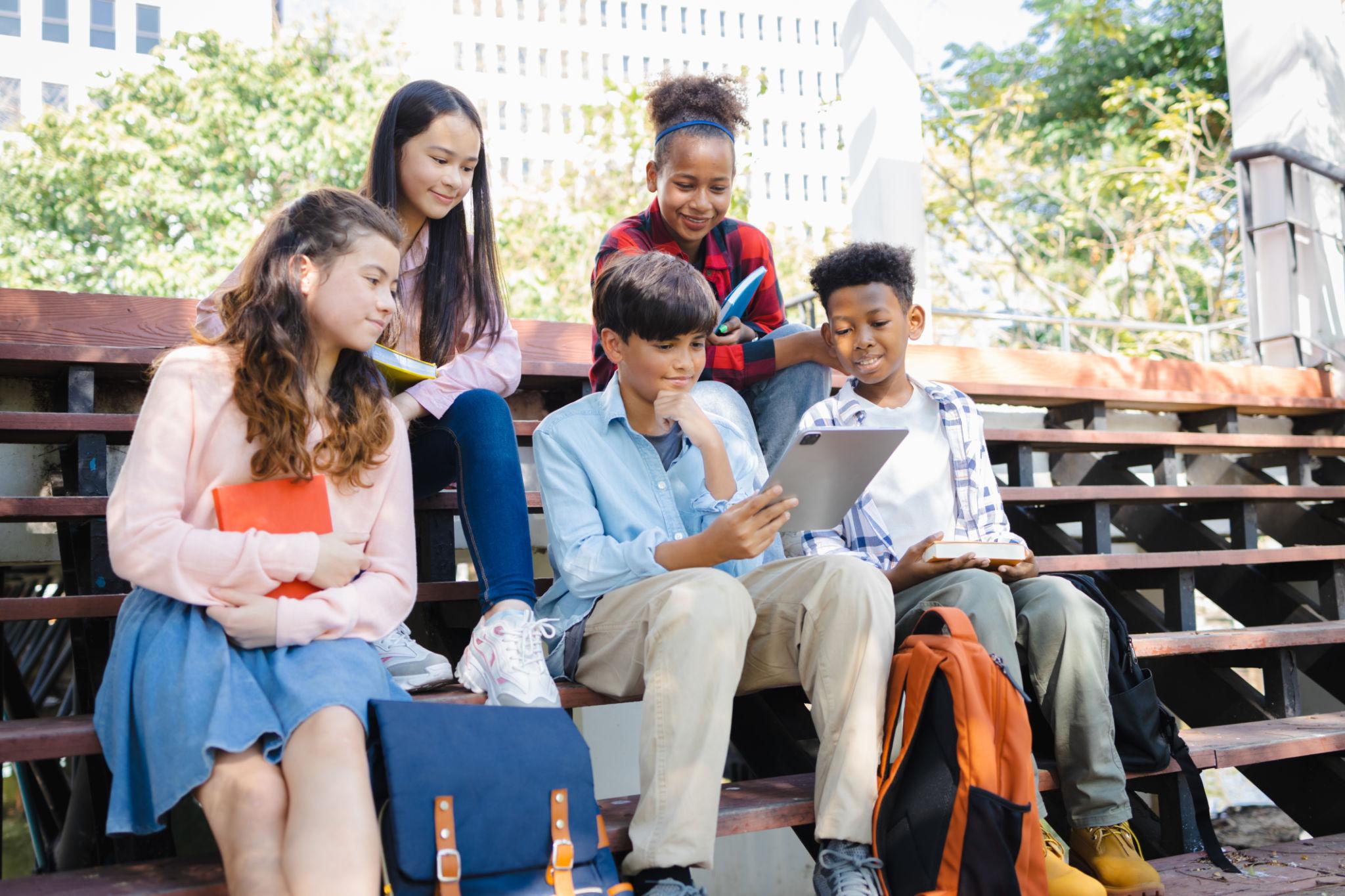
Why This Matters
Project-based learning and AI learning belong together because both ask students to become more active participants in their education.
PBL teaches students to use knowledge in meaningful contexts.
AI learning teaches students to think critically in a changing technological world.
Together, they help students become more adaptive, more applied, and more prepared for the environments they are likely to face in university and beyond.