
.svg)
Close

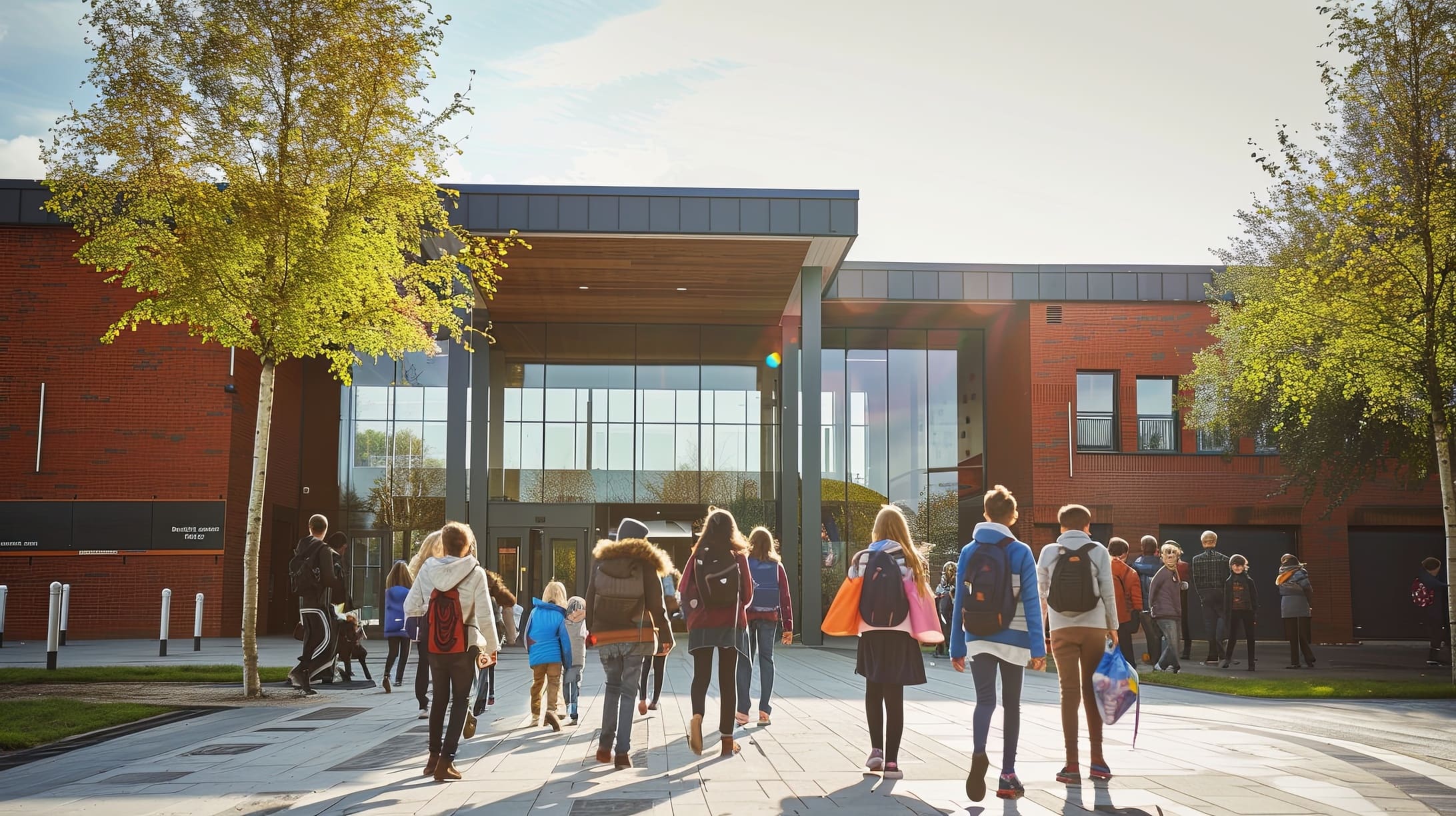

Guided Closely, Growing Gradually
The IGP becomes meaningful through sustained human support — where mentors, academic teachers, and families work together to help students move from being guided to becoming more self-directed.
At Harper, growth support is not built on one-off meetings or static plans. It depends on continuity. Students need people who understand where they are, what is changing, what is working, and what needs adjustment over time.
That is why mentorship is a central part of the IGP framework. Support is provided through an ongoing structure involving IGP advisors, academic mentors, and parent-school partnership. The purpose is not to control every decision, but to create enough clarity and consistency that students can make better decisions with greater maturity as they grow.

The IGP is not written once and left unchanged. It is regularly reviewed, interpreted, and refined based on authentic development.
As students move through different stages, their goals, interests, confidence, and capabilities evolve.
Mentorship at Harper helps make sense of those changes. Rather than reacting only to short-term results, mentors look at patterns: how a student is learning, how they are responding to pressure, where momentum is building, and where support needs to become more intentional.
What Mentors Actually Support
Mentorship at Harper includes much more than pathway advice.
Students are supported in areas such as:
- managing learning rhythm and workload
- reflecting on capability and progressmaking sense of pathway choicesadjusting plans when interests - evolvestrengthening self-management and confidence
- maintaining steadiness during demanding periods
This makes support both practical and developmental. It is not simply about solving immediate problems. It is about helping students build stronger ways of working and deciding.

Parent Partnership as Part of the Process
Harper also believes that long-term growth works best when families are included in a thoughtful and constructive way.
Parents are not expected to become pressure-managers or unofficial planners. Their role is to understand, support, and stay aligned with the student’s development. Through regular communication, reviews, and shared visibility into progress, families are better able to support students with confidence and clarity rather than uncertainty.
One of the most important goals of mentorship is not permanent dependence on adult guidance. It is gradual ownership.
Over time, students should begin to understand themselves more clearly, regulate themselves more steadily, and participate more actively in shaping their own path. Mentorship at Harper is successful when students become less passive, more reflective, and more capable of taking responsibility for their next steps.