
.svg)
Close

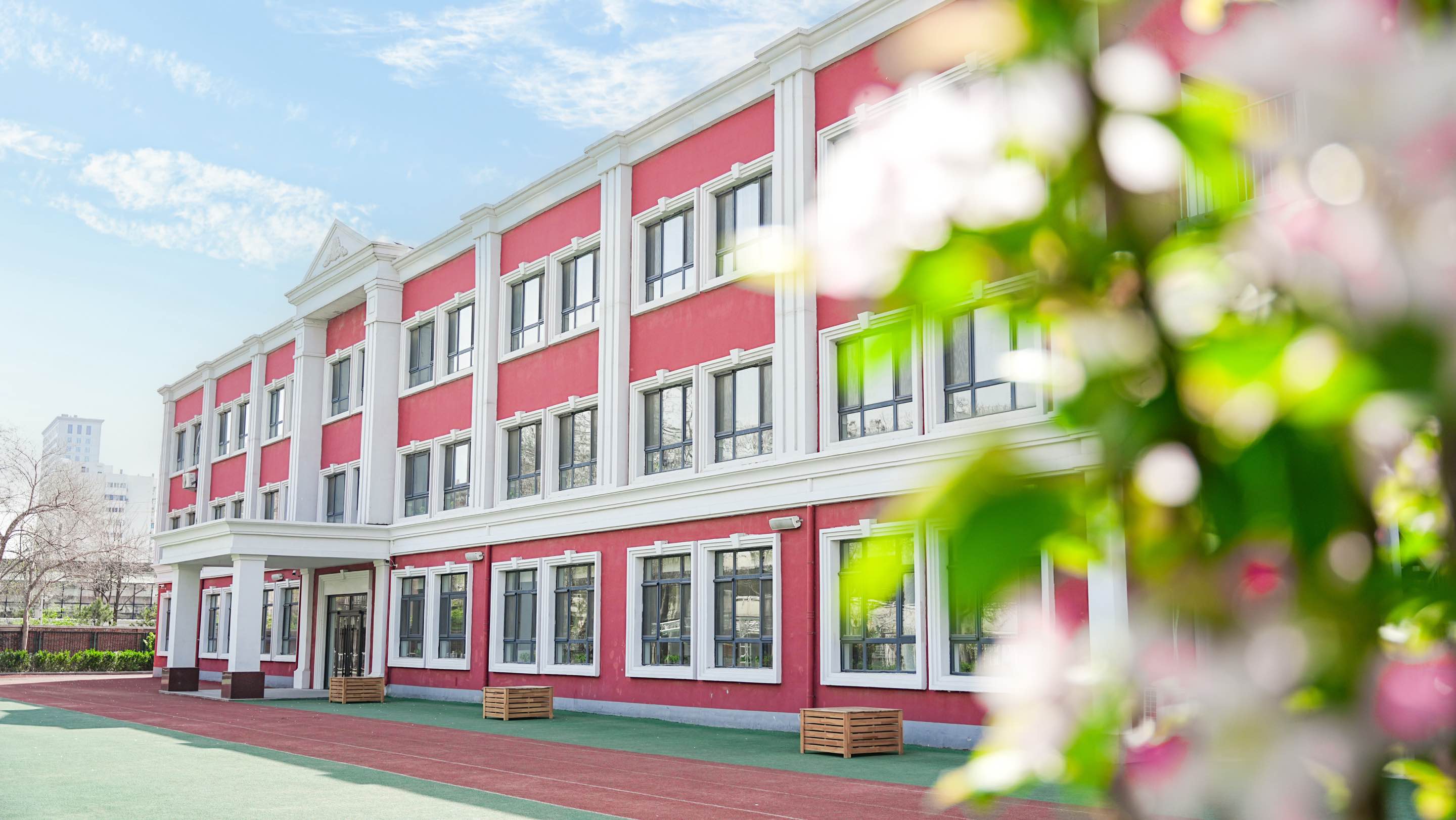

One Network, Multiple Learning Environments
Harper Education Group brings together a growing network of campuses and academic partnerships across North America, Asia, and Europe.
Each campus responds to its own local context, student profile, and academic strengths, while remaining connected through a shared commitment to personalised growth, international progression, and long-term educational quality.
Rather than offering a single school model in different locations, the network is designed to give students access to different types of learning environments within a broader educational framework. This allows families to look not only at geography, but at fit: the pathway, pace, support model, and campus character most suited to each student.
North America
Harper’s campuses in China provide structured, high-support learning environments with different academic profiles — from OSSD-led progression and strong language support to multi-pathway international preparation and STEM-oriented development. Together, they form a key part of the group’s Asian network and progression ecosystem.
Europe
Toronto-rooted expertise continues to shape Harper’s understanding of OSSD progression, North American university preparation, and creative academic pathways. Within the wider group structure, North America remains an important reference point for academic maturity, pathway design, and international progression.
Asia
Through selected partnerships and progression routes, Harper extends access to European academic opportunities and broader international university pathways, adding flexibility and reach to the network as a whole.

What the Numbers Actually Mean
Strong outcomes should always be interpreted with care. At Harper, these results are meaningful because they emerge from a cross-system, multi-pathway model rather than from a narrow, one-size-fits-all route.
Different students progress toward different destinations. Some move toward engineering, business, or life sciences through academically intensive pathways. Others move into design, architecture, media, or interdisciplinary creative fields. What the data shows is that Harper students are not limited by one kind of route. They are supported into a broad range of strong and well-matched outcomes.
North America Campuses
North America
Known for a stable and rigorous academic system, with a strong university pathway. Nearly 50% of students progress to the University of Toronto.
North America
Specializes in arts and design pathways, with strong advantages in portfolio development and creative growth.
Asia Campuses
Asia
A multi-pathway international campus combining academic depth, bilingual-to-English progression, and strong global outcomes.
Asia
A focused boarding environment shaped by OSSD progression, strong language support, and personalised growth.